
In World of Warcraft, you’re thrust into an endless clash between the Alliance and the Horde. This rivalry, deeply rooted in the game’s lore, will influence every aspect of your journey. The Alliance stands for order and tradition, while the Horde values resilience and freedom. Your choice between them affects the stories you’ll experience and the fervor of other players you’ll encounter. From major battles like the Siege of Orgrimmar to the diplomatic nuances of faction leaders, this conflict propels the world’s ever-evolving story. With each decision, you shape the future of Azeroth. You might even see foes become unlikely allies, offering a fresh perspective on cooperation and conflict.
Key Takeaways
- The Alliance vs. Horde rivalry is deeply rooted in the game’s lore, influencing all gameplay aspects.
- Key factions and their leaders significantly impact player decisions and allegiance to either side.
- Major battles and events, such as the Battle for Undercity and Siege of Orgrimmar, have been pivotal in shaping the conflict’s course.
- Cultural differences between the Alliance and Horde, including values and principles, fuel the ongoing struggle and misunderstanding.
- The future of the conflict could see shifts in dynamics, potentially leading to alliances against common foes or further deepening the divide.
Origins of the Rivalry
The origins of the Alliance vs. Horde rivalry in World of Warcraft are deeply rooted in the game’s lore, tracing back to ancient conflicts and deep-seated animosities between the factions. It’s not just about choosing sides; it’s about diving into a world where your allegiance shapes your journey, your battles, and even your friendships.
Choosing between Alliance and Horde isn’t just a matter of personal preference; it’s about aligning yourself with a rich history that spans wars, treaties, and betrayals. The Alliance, with its capital city nestled in the heart of night elf territory, represents order and tradition. On the flip side, the Horde, rising from the ashes of internment camps, embodies resilience and freedom.
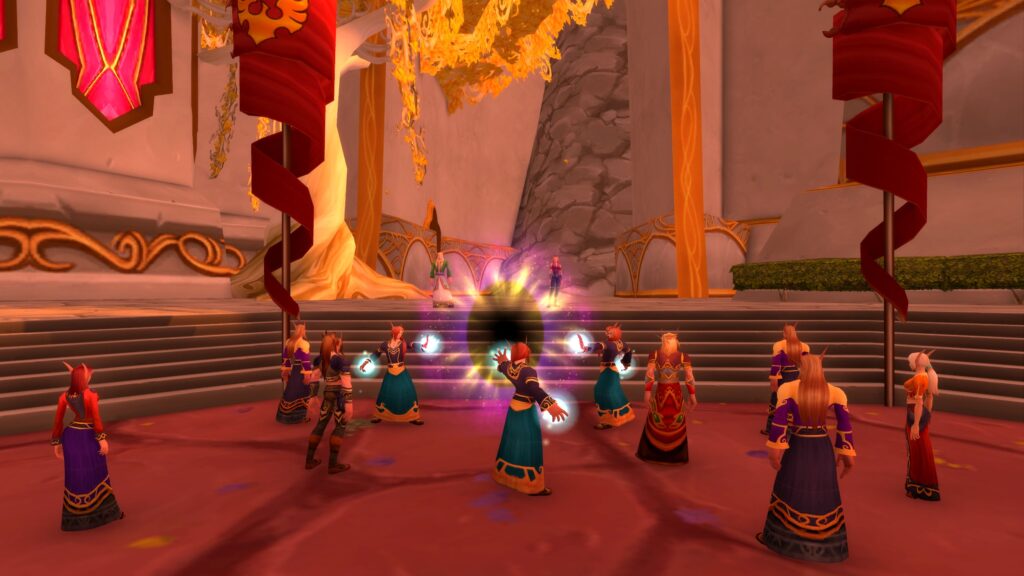
Whether you’re storming the gates of a capital city or venturing into contested territories, the decision between Horde vs Alliance influences every aspect of gameplay. This rivalry isn’t just a backdrop; it’s the heartbeat of World of Warcraft, propelling stories and fueling the fervor of players around the globe. So, when you’re choosing your side, remember, you’re stepping into a legacy of conflict that reaches far beyond the borders of any single domain.
Key Factions and Leaders
Understanding the key factions and their leaders is essential if you’re aiming to navigate the complex landscape of Alliance vs. Horde rivalry effectively. Whether you’re an Alliance player or side with the Horde, knowing who’s who can deeply impact your gameplay and allegiance.
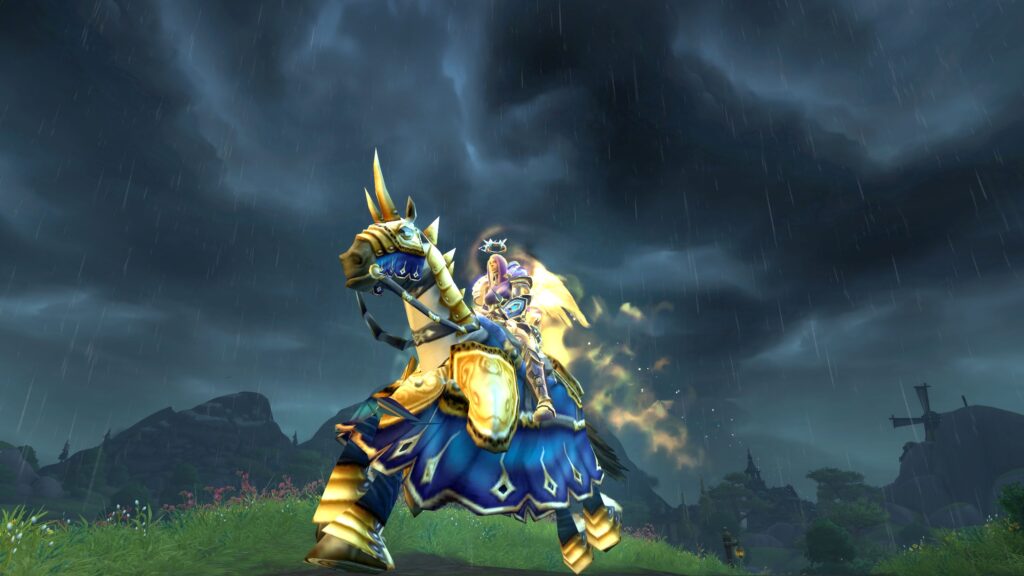
The Alliance, known for its nobility and honor, is headquartered in Stormwind City. This faction prides itself on justice and freedom, values that are fiercely protected by its leaders. Stormwind acts not just as a political hub but also as a symbol of the Alliance’s resilience and determination.
Meanwhile, the Horde, often seen as the Alliance’s antithesis, embodies strength and honor in a different light. Its diverse races find common ground in their survival and fight against oppression. While the Horde and Alliance are constantly at odds, both factions have faced internal and external challenges that have shaped their leaders and their policies.
Gilneas City, though primarily associated with the Alliance due to its history and leadership, represents the complexity of faction allegiance. Its story of isolation and eventual joining the Alliance highlights the shifting dynamics and the gray areas in the seemingly black-and-white conflict between the Horde and Alliance.
Major Battles and Events
Throughout the years, World of Warcraft’s landscape has been shaped by numerous major battles and events, marking pivotal moments in the ongoing Alliance vs. Horde conflict.
You’ve seen the landscape of Azeroth shift with each confrontation, from the gates of Orgrimmar to the frozen wastes of Northrend. The Battle for Undercity was a turning point, where you witnessed firsthand the treachery and the consequences of war within the factions themselves. Then came the cataclysmic showdown at the Wrathgate, an event that not only altered the course of the war but also the world itself, literally tearing the earth apart.
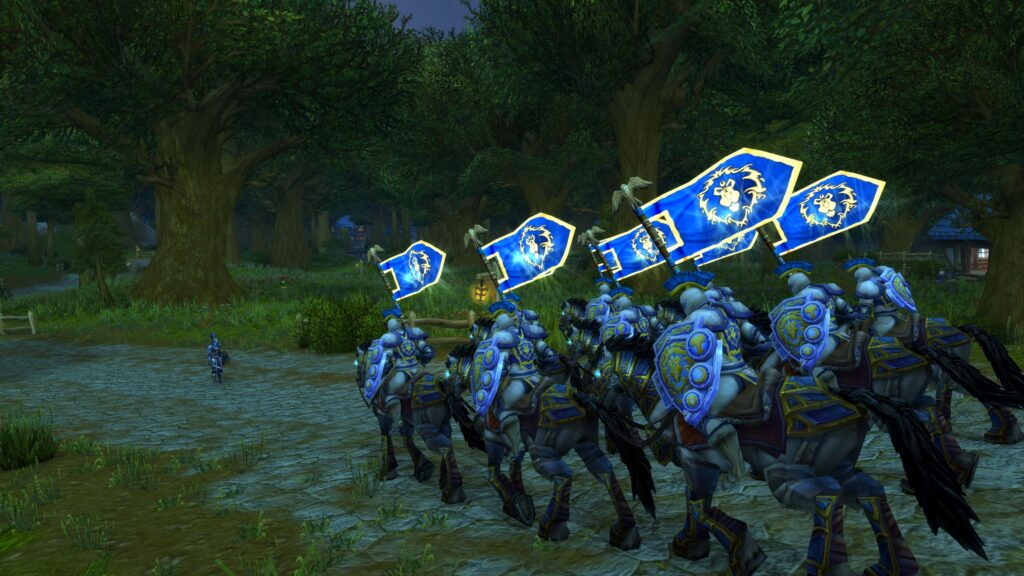
You’ve charged into battle during the Siege of Orgrimmar, a decisive moment where the lines between good and evil blurred, challenging loyalties and forging unlikely alliances. The conflict reached new heights with the Battle for Azeroth, where you saw the burning of Teldrassil and the siege of Lordaeron, events that reignited ancient hatreds and compelled you to question the cost of war.
Each battle, each event, didn’t just change the world outside; it changed you. You’ve mourned heroes and celebrated victories, all the while knowing that peace remains elusive in a world where the drums of war never truly cease.
Cultural Differences
After investigating the major battles that have shaped Azeroth, it’s clear that underlying cultural differences between the Alliance and Horde play a significant role in fueling the conflict.
You’ve seen how these two factions clash, but have you explored into why? The Alliance, with its noble cities and a strong sense of order, values tradition and honor. You’re looking at a civilization that prides itself on diplomacy and justice, working towards a world where peace and structure reign supreme. Their cultures, from the stoic humans to the mystical night elves, all share a common goal of preservation and cooperation.
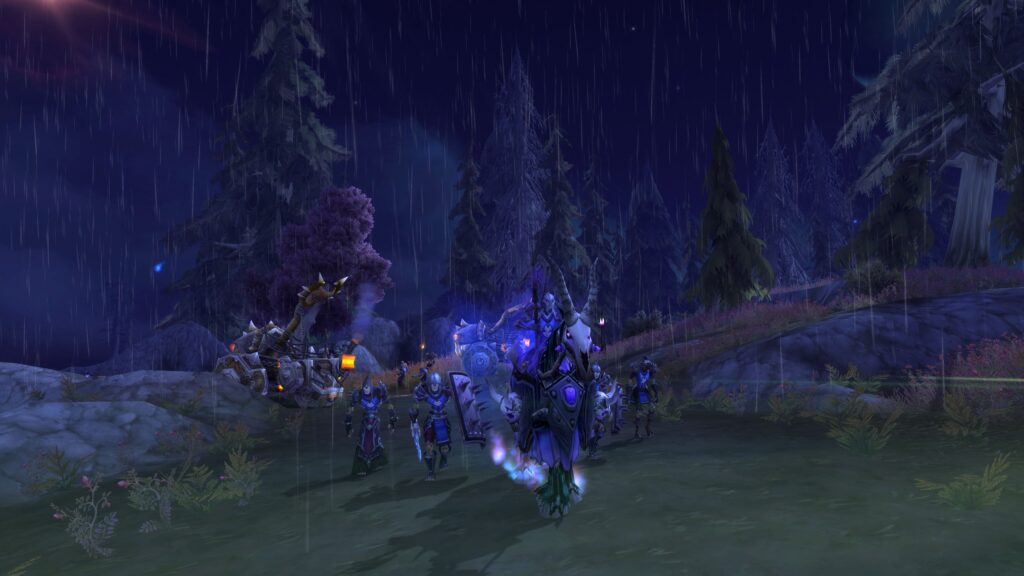
On the flip side, the Horde’s story is one of survival against all odds. Comprised of outcasts and survivors, the Horde values strength, freedom, and honor in a different light. You’d see how orcs, forsaken, tauren, and trolls, among others, band together not out of desire for dominion but necessity and mutual respect for each other’s prowess and traditions. Their cultures are diverse, rich, and often misunderstood by their Alliance counterparts.
This clash isn’t just about land or power; it’s a fundamental misunderstanding and lack of respect for what each faction holds dear. You’re witnessing a conflict that’s as much about cultural identity as it is about territory.
The Future of the Conflict
Speculating on the future of the Alliance vs. Horde conflict, it’s evident that evolving dynamics and unforeseen alliances may greatly alter Azeroth’s battlefield. As you’ve seen, the animosity between the two factions has defined much of World of Warcraft’s history. Yet, the winds of change are blowing. You might find that the lines that once divided the Alliance and Horde become blurred as new enemies emerge, threatening all of Azeroth.
You’re likely to witness shifts in leadership and ideology that could either bridge the gap between the factions or deepen the divide. Imagine scenarios where the Horde and Alliance must band together to face a common foe, reshaping the conflict from one of faction against faction to a unified front against a greater threat. This isn’t just wishful thinking; it’s a potential reality based on the trajectory of current events in the game.
Moreover, player choices and the evolving narrative could introduce fresh perspectives on cooperation and conflict. You might even play a pivotal role in determining the outcome of this age-old war. As Azeroth continues to evolve, so too will the nature of its conflicts, potentially leading to a future where the Alliance and Horde could find themselves fighting side by side rather than against one another.
Frequently Asked Questions
How Do Player Choices and Actions In-Game Influence the Storyline of the Alliance Vs. Horde Conflict?
Your choices and actions in-game can shape the evolving storyline, determining outcomes in battles, quests, and alliances, ultimately influencing the power dynamics and relations between factions, adding depth to your gaming experience.
What Role Do Neutral Factions and Characters Play in Mediating or Exacerbating the Alliance and Horde Conflict?
Neutral factions and characters can either smooth tensions or fan the flames between groups. They’re like wild cards; you’re never quite sure if they’ll bridge divides or deepen rifts, depending on their own agendas.
How Has the Portrayal of the Alliance Vs. Horde Conflict Evolved in World of Warcraft Expansions and Related Media?
You’ve seen the Alliance vs. Horde conflict explode, from epic grudges to uneasy alliances in expansions. It’s morphed from black-and-white battles to complex narratives, showing there’s more to both sides than meets the eye.
What Are the Psychological and Moral Implications of the Alliance Vs. Horde Conflict on Players’ Perceptions of Their Own Faction and the Opposing Faction?
You might notice how your view of your own faction and the opposing one gets shaped by their actions. It’s a mix of loyalty and bias, with each expansion possibly swaying your moral compass.
How Do In-Game Events, Such as World Pvp and Battlegrounds, Reflect the Broader Alliance Vs. Horde Conflict, and What Impact Do They Have on the Game’s Community and Player Dynamics?
In-game events like world PvP and battlegrounds bring the conflict to life; they deepen rivalries and foster camaraderie within factions. You’ll find these experiences shape the game’s community, influencing how you view and interact with others.
Explore my WoW blog for expert strategies, gold-making tips, and the latest news. Join the adventure today!
Leave a Reply