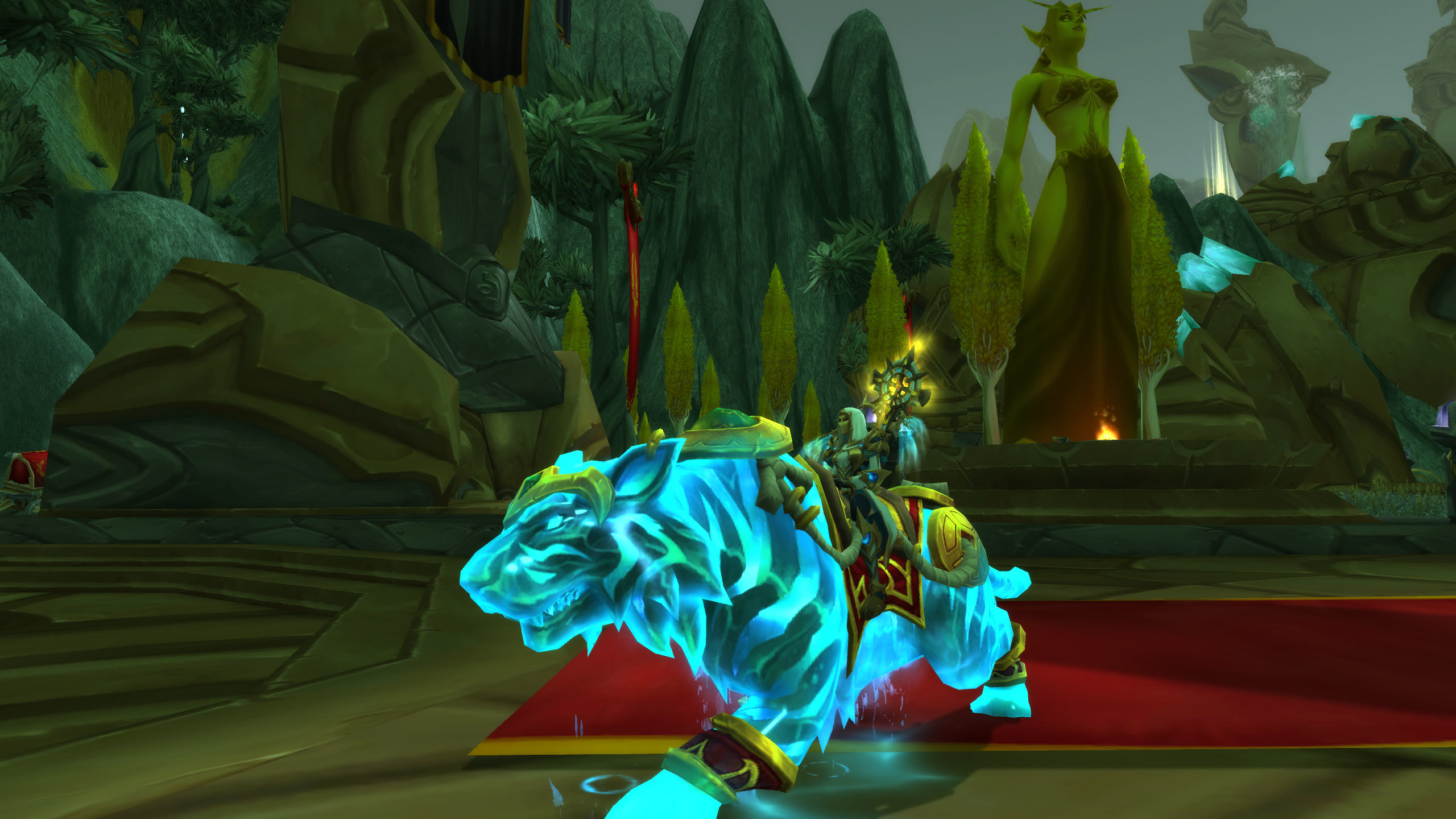
Funding Monthly Subscriptions Through In-Game Gameplay The economy of World of Warcraft offers players a unique opportunity to turn their in-game achievements into real-world household savings through Buy World of Warcraft Gold. Introduced by Blizzard as a safe, sanctioned currency exchange, the WoW Token allows players to trade accumulated in-game funds for active game time…
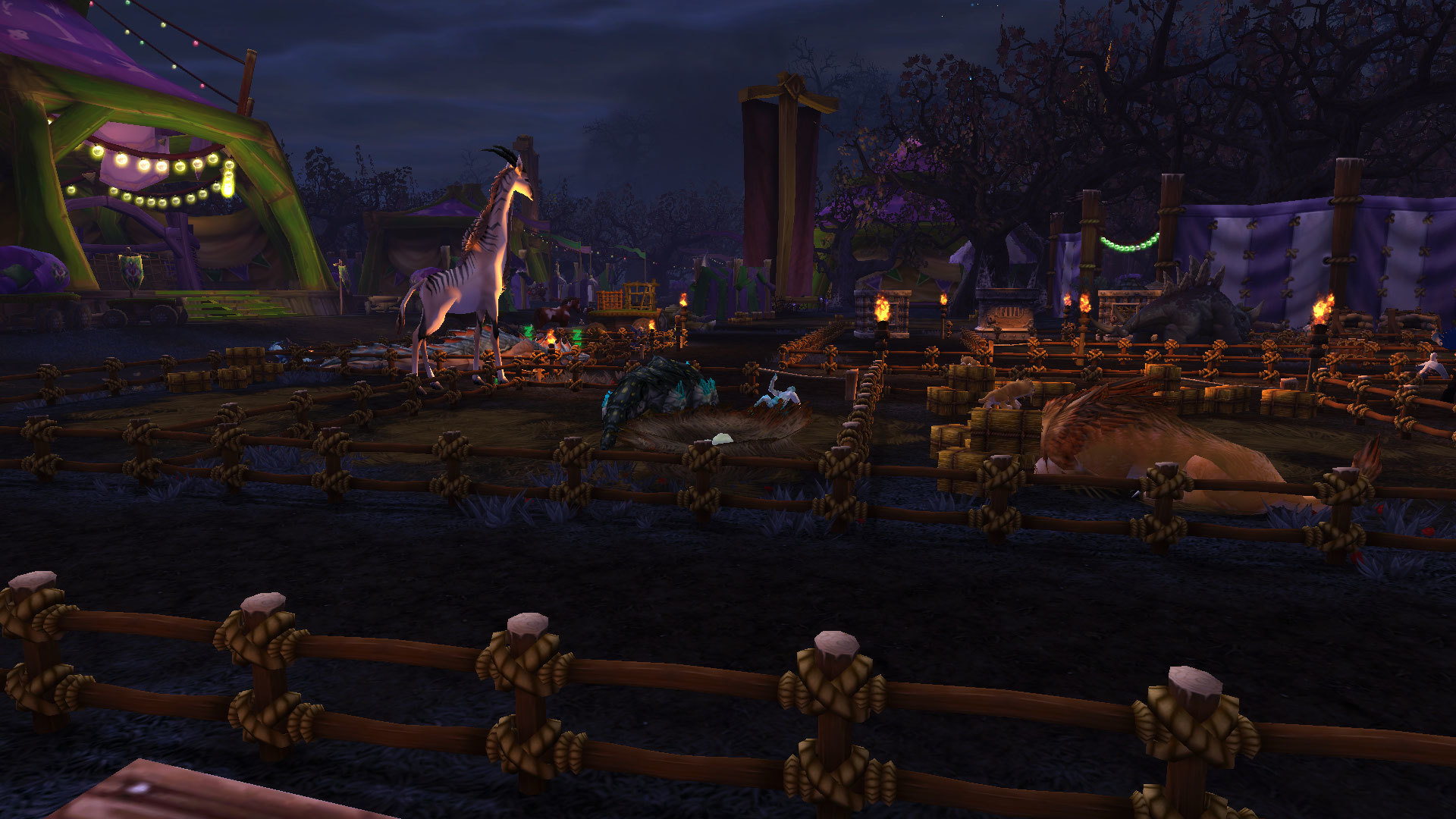
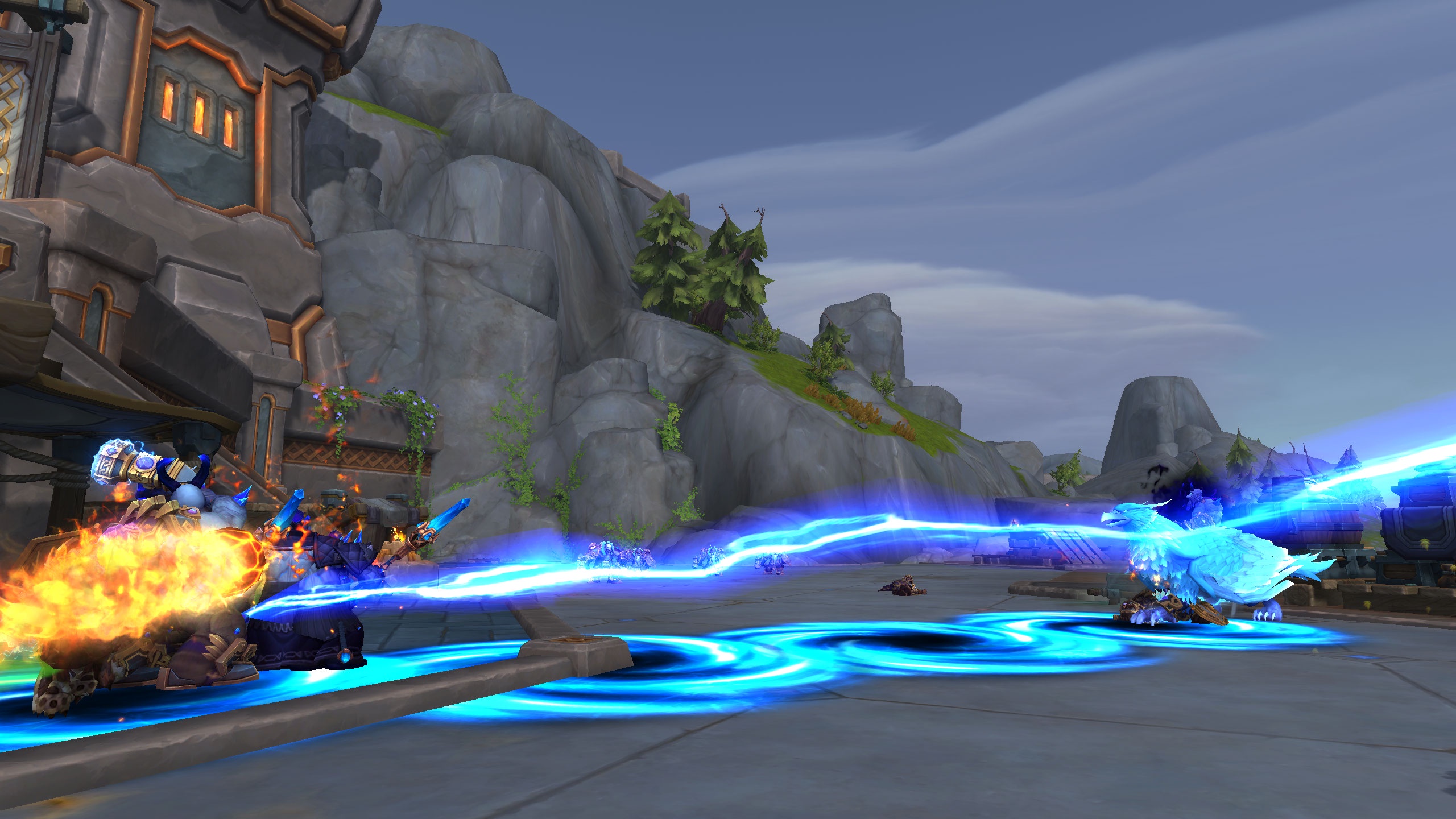
The Darkmoon Faire in Classic World of Warcraft offers players a unique opportunity to collect powerful trinkets through card decks. These decks are not only a source of prestige but also provide significant gameplay advantages. Understanding the mechanics behind collecting these cards can enhance your gaming experience and improve your character’s performance. This guide will…
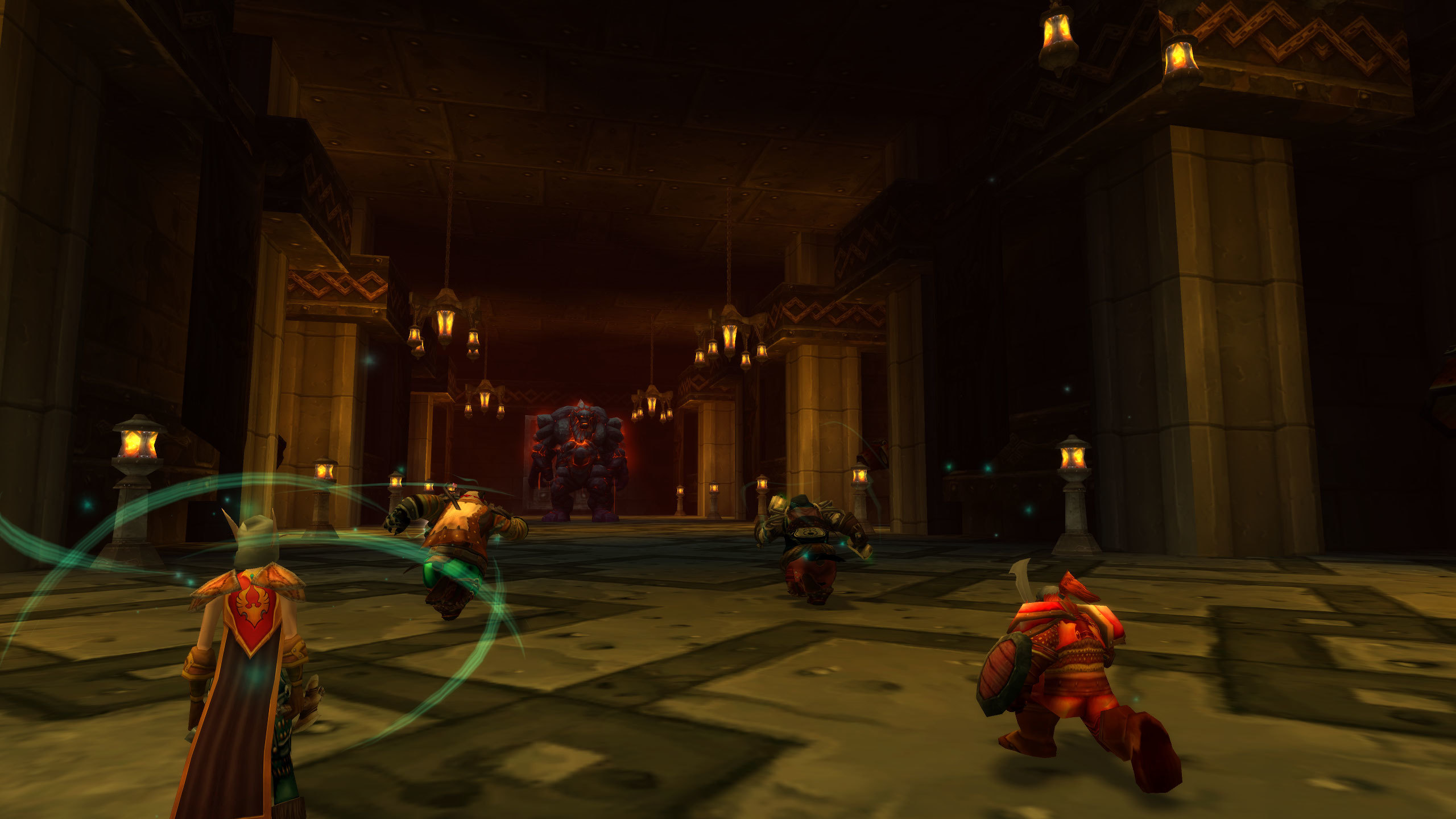
In World of Warcraft, Druids are renowned for their versatility and ability to adapt to various situations, particularly through their unique shape-shifting mechanics. When engaging in high-stakes content such as Mythic Plus (M+) dungeons or raid encounters, the ability to escape from movement impairing effects becomes critical for survivability and maintaining DPS output. This guide…
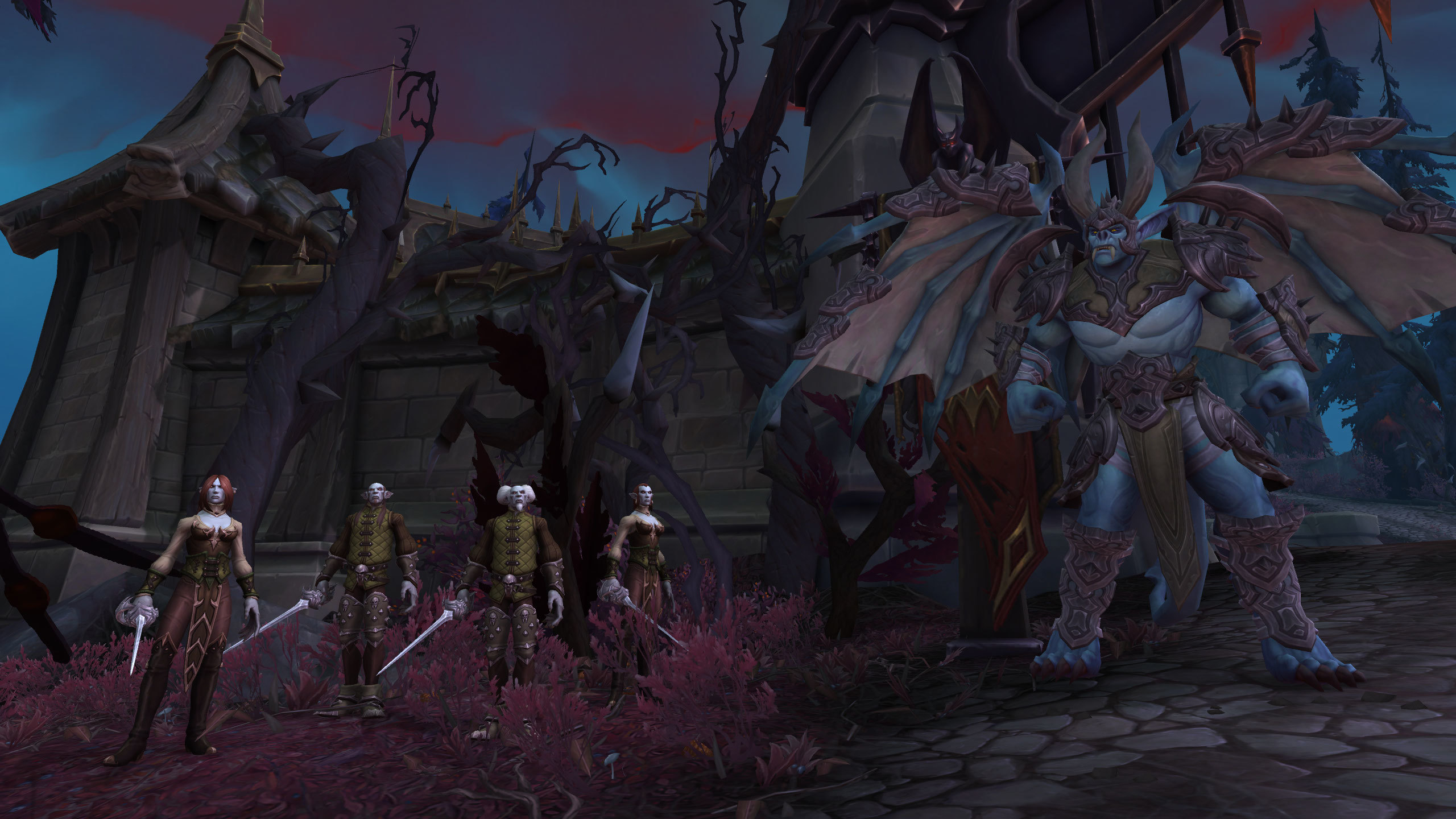
Why Your Character Needs Better Resources Every player wants to see their character perform at the highest level possible. To achieve this, you need access to the best gear, the right consumables, and the fastest travel methods available. Many players struggle because they do not have enough gold to pay for these essential items. When…
Balance Druids harness celestial power to deal ranged spell damage. The spec features a unique Eclipse mechanic that alternates between Arcane and Nature damage. This guide covers Eclipse management, rotation priorities, and talent choices for optimal performance. Understanding Eclipse Mechanics Eclipse is the core Balance Druid mechanic. You alternate between Lunar and Solar Eclipse states.…
Mastering goal setting in World of Warcraft is a distinct strategic progression path that transforms your playtime from a series of random tasks into a structured campaign for mastery. Many players fail to achieve their seasonal ambitions because their goals are too vague (“I want to be better”) or too extreme (“I want Rank 1”).…
Introduction WoW Hardcore changes the way players approach the game. In this mode, death is permanent. If your character dies, all progress is lost. This rule creates constant pressure while leveling, farming, and running dungeons. Every pull matters. Every mistake can end hours or even days of effort. Because of this, preparation becomes more important…
The core challenge of the Legion Remix Mythic+ system is managing the exponential difficulty curve inherent in the system. Keystone Difficulty Self-Assessment is the essential progression guide, requiring groups to honestly evaluate their collective skill, gear stability (based on Infinite Power), and coordination before pushing the key level. This calculated approach separates groups who experience…
Dungeon difficulty is no longer confined to enemy abilities alone. Environmental hazards now play a central role, forcing players to move intelligently while executing mechanics under pressure. This design layer tests spatial awareness and positioning as much as damage or healing output. Beyond Static Combat Spaces Traditional dungeons relied on enemies to create danger. Floors…
In the ever-changing world of World of Warcraft, players often find themselves returning to their first main character — the one they created at the very beginning of their journey. This phenomenon, known as “character attachment,” is a deeply psychological process that goes beyond in-game mechanics. The bond between a player and their main character…
WoW Raid Boost gives players a way to complete difficult raid content more quickly by joining a team of skilled participants who know each fight inside out. Instead of forming a random group and spending hours on trial runs, a boost team moves through bosses in order, clears trash pulls, and finishes each encounter with minimal wipes. This method saves time and effort, and it helps you earn high-item-level gear, rare mounts, and achievement points on characters that need a gear upgrade. Boost runs are popular for gearing up an alternate character, hitting an achievement deadline, or grabbing a mount before a new season starts.
This guide focuses on the steps you control in the game itself. You will learn how to update and set up your client and addons, pick the right gear and talents, and keybind critical spells. You will review each boss fight, note key abilities, and find safe spots. You will configure your interface to show timers and health frames, join the team voice channel, and follow leader calls. You will track your loot, record clear times, and save a simple log for future runs. We leave out details about service providers, payment, rules enforcement, or potential risks. By sticking to this checklist in every boost, you can join with confidence, focus on your role, and get the most value from each run. Whether you plan one boost a week or a dozen, these steps will help you finish faster and improve your own play along the way.
Step 1: Prepare for WoW Raid Boost
Before you enter the raid instance, make sure your game client and addons are fully up to date. Start the Blizzard launcher, install any pending patches, then log in and verify that key raid addons—such as boss timers, damage meters, threat plates, and cooldown trackers—are running at their latest version. Outdated addons can miss new boss mechanics or fail to show critical alerts, so take this step seriously.
Next, review your gear and talent build. Equip the highest item-level pieces you own, focusing on your main secondary stats like critical strike or versatility. Open your talent pane and select the build that most guides recommend for your spec in raids. If you are unsure, choose the option labeled for best raid performance on sites like Icy Veins or Wowhead. You can change these choices freely before the run begins.
Organize your action bars and keybinds so that your primary spells and cooldowns are within easy reach. Place crowd-control, interrupts, and defensive abilities on keys you can press quickly without looking away. Create simple macros for tasks like marking a target for focus interrupts or announcing cooldown use in chat. Test each keybind on a training dummy to confirm you hit the right ability under stress.
Finally, stock up on consumables. Purchase raid flasks, food buffs, and potions that match your role. Make sure you have enough to cover every boss in the run without pausing to restock. Check your latency and frame rate on a target dummy or in a capital city to avoid unexpected lag during key phases. After these preparations, you are ready to move on to learning the raid layout and boss fight details.
Step 2: Review Raid and Boss Details
Before joining the team, list each boss in the raid and the order you will face them. For example, a seven-boss raid might start with Boss A, then Boss B, Boss C, and so on. Note any variation in order based on difficulty levels—Normal, Heroic, or Mythic. Organizing this list in a note-taking app or on paper gives you an at-a-glance view of the run.
For each boss, write down the key abilities that require action. Identify mechanics like ground effects that demand you move away, adds that spawn and need a quick crowd-control response, or targeted abilities that call for personal cooldowns. Note safe zones or cover points—such as standing behind a pillar during a frontal cleave, or moving to the platform edge to avoid a blast.
Gather short example videos for each fight. Focus on clips that show the fight’s main damage phase and the timing of key mechanics. Pause when the ability plays, then note the second count until the next cast. If you prefer text, open a quick guide and copy the table of mechanics into your notes, highlighting phases by name like “Phase One,” “Enrage Phase,” or “Add Wave.”
Having these notes visible during the run will help you react to raid leader calls without hesitation. You will anticipate each phase, know exactly when to use defensive and damage cooldowns, and stay clear of dangerous zones. With bosses and mechanics clearly recorded, you can jump into the boost run ready to keep pace with the team.
Step 3: Set Up Your Interface
Your user interface needs to show all key information clearly without clutter. Start by installing and configuring a set of add-ons designed for raid runs. These add-ons include a cooldown tracker, a boss timer, nameplate auras, a threat meter, and enhanced raid frames. Each plays a key role: the cooldown tracker shows when your defensive and damage abilities are ready again, the boss timer displays upcoming phases and enrage countdowns, nameplate auras help you spot important debuffs on mobs, the threat meter warns you if you pull aggro, and enhanced raid frames let you see every member’s health and roles at a glance.
Once installed, adjust each add-on’s basic settings. For example, place boss timers at the top center of your screen, so you can see phase changes without moving your eyes far. Scale raid frames down slightly and position them to the left or right, leaving room for action bars. Turn on only the alerts you need—too many visual cues can distract you during key moments. Test your setup on a target dummy or in a practice raid to confirm each element appears where you expect.
Use the table below as a quick reference when configuring your screen:
Add-On
Function
Basic Setting
Cooldown Tracker
Tracks ability cooldowns
Top-right corner, scale 0.8
Boss Timer
Shows fight phases & enrage
Top center, font size medium
Nameplate Auras
Displays boss debuffs on mobs
Enabled on boss units only
Threat Meter
Monitors threat levels
Bottom left, show only top 3
Raid Frames
Shows group health and roles
Left side, grid view, scale 0.9
After you set up these elements, hide any unused UI panels—like the chat window when not in use—and disable screen effects from mounts or other non-raid sources. This ensures nothing covers critical warnings. Finally, save your profile under a clear name like “RaidBoost” so you can switch back to it for every boost session without repeating this process.
Step 4: Join the Boost Group
With your interface in place, the next step is to enter the boost group itself. Most teams use a voice channel on a service such as Discord, TeamSpeak, or Mumble. Before the run, test your microphone and headphones in the chosen channel. Speak briefly and listen back to confirm your volume is clear and at a level that lets you hear other members. Poor audio can lead to missed calls and wipe the run.
Once audio is set, verify the group composition and difficulty. Check the raid difficulty in the group finder or through the team’s chat: Normal, Heroic, or Mythic. Make sure you join the correct difficulty group. Note the scheduled start time and log in at least five minutes early to avoid delays. When everyone is present, one team member will share a sync timer or use a raid-sync add-on to align phase timers.
Before the pull, follow these bullet points:
Confirm your role (damage, healing, or tank) and any special assignments (add control, orb pick-up).
Sync your boss timer add-on with the leader’s timer so all phase markers match.
Mute your microphone when not speaking to avoid background noise.
Check that your consumables (flask, food buff, potions) are active and visible in your buff bar.
Ask a quick question if any part of the strategy or timer sync is unclear.
By handling these tasks before the pull, you help the team start without a hitch. A smooth group start means fewer wasted minutes and more boss kills per hour. Once everyone is ready and the timer hits zero, you move directly into the first boss encounter with full focus.
Step 5: Follow Leader Instructions
During the boost run, clear and quick responses to leader calls are vital. The raid leader will announce movement commands, phase shifts, and key cooldown timings. Listen closely for phrases like “move out,” “stack here,” or “use defensive now.” These calls guide you through each mechanic without having to watch every timer yourself. Keep your microphone unmuted long enough to acknowledge critical calls—one quick “on it” helps the team stay in sync.
Use your action bar keybinds to hit abilities the moment you hear the cue. For example, if the leader says “defensive now,” press your major cooldown keybind immediately rather than waiting for the visual cooldown tracker. Many fights have short windows for damage or survival cooldowns, so reacting fast can mean the difference between a clear and a wipe.
Here are some common leader calls and how you should respond:
Move Out: Shift your character to the marked safe spot without delay.
Stack: Gather at the specified marker to share damage or buffs.
Spread: Move away from other players to avoid chained damage.
Cooldown On Me: Trigger your defensive or healing cooldown on the leader’s signal.
Interrupt Now: Use your interrupt ability on the current caster immediately.
If you ever miss a call, glance at your boss timer or watch the raid frames for alerts—some add-ons flash visual cues when a boss casts a key ability. After each boss kill, confirm any loot assignments and prepare for the next pull. Staying focused on leader calls and using your spells without delay will keep the boost run moving at a fast pace and help you clear the raid in the shortest time possible.
Step 6: Track Loot Drops and Gear Gains
After each boss kill, open your loot window and note every item you receive. Record the item name, item level, and equipment slot in a simple list or spreadsheet. For each piece, compare the new stats to what you have equipped. Check the secondary stats—like critical strike, haste, or versatility—to see which piece offers the biggest increase for your spec. Use a quick screenshot of the loot window so you have a visual record in case you need to revisit the details later.
Immediately decide whether to equip the new piece or send it to your bank. If you equip it, double-check that you have the correct gem sockets filled and the right enchant applied. If you send it to your bank, make a short note of why it’s on hold (for example, “Might be best for my off-spec” or “Save for new main”). After the boost run ends, open your character pane and verify each upgrade is active, and apply any missing gems or enchants.
Use the following list as a quick gear-tracking checklist:
Item Name & Slot: Record what dropped and where it goes (head, chest, trinket).
Item Level & Stats: Note the ilvl and the key secondary stat values.
Screenshot: Capture the loot window for visual reference.
Equip or Bank: Decide immediately based on upgrade value.
Post-Run Update: Apply gems, enchants, and verify in character pane.
Keeping this record helps you see your gear progress at a glance. When you prepare for the next run, you’ll know your current starting item level and which slots to focus on. Over several boosts, this simple tracking method lets you measure your gains and plan which bosses to farm next for the highest-impact upgrades.
Step 7: Record Kill Times and Progress
Tracking how long each boss takes to fall is a great way to measure improvement. As soon as you exit a boss fight, note the time of pull and the time of kill. You can use your boss timer add-on logs for exact timestamps. Record these details in a table or simple text file. Include the boss name, difficulty level, pull start, kill time, and any wipes you had. This creates a clear history of your group’s performance and helps identify which encounters need more practice.
Keep your table organized with columns like these:
Boss Name
Difficulty
Pull Start
Kill Time
Wipes
Notes
Example Boss
Heroic
19:05:12
19:07:45
1
Struggled on phase 2
Next Boss
Heroic
19:10:00
19:12:30
0
Smooth run
After the run, review the table and highlight any fights that took significantly longer than average. Add a quick note on what happened—maybe a missed call, slow cooldown use, or positioning error. Compare this data to earlier runs to see if your kill times are dropping. If you are using a combat log parser or Warcraft Logs, upload your log for a more detailed breakdown of DPS and healing numbers, but keep your local record for quick reference.
Consistent time tracking turns each boost into a data point. Over time, you’ll spot trends, like faster clears on certain bosses or persistent slowdowns on others. That insight tells you where to focus your practice and helps set realistic goals for your next boost run.
Step 8: Review and Practice
Once the boost run ends, take time to review your performance and practice key mechanics. Watch your own raid replay if you have one, or use in-game combat logs to pinpoint moments where you could react faster or position better. Look at your cooldown usage: did you use major cooldowns at the optimal time, or were they on cooldown when you needed them? Identify one area to work on, such as interrupt timing, movement during ground effects, or cooldown alignment with the group’s damage phase.
Next, set up a short practice session. Visit a raid training dummy or head into a lower-difficulty raid zone to drill the mechanic you want to improve. For example, practice moving quickly out of harmful ground effects or timing your defensive cooldowns during a mock damage spike. Do a few repetitions until your reactions become automatic.
Make a brief action plan after practice:
Identify One Focus: Pick a single mechanic to improve.
Drill for 10–15 Minutes: Use a dummy or a low-pressure run to practice.
Note Progress: Record any improvement in your notebook or spreadsheet.
Plan Next Session: Decide whether to practice the same mechanic again or move to the next.
By closing the loop with review and practice, you turn each boost run into a learning opportunity. You’ll build muscle memory for critical mechanics, bring more value to future boosts, and improve your overall raid performance on self-play and group runs alike.
Conclusion
You now have a complete guide to follow for every WoW Raid Boost session. Start by updating your client and addons, picking the right gear and talents, and setting up action bars and keybinds. Then review each boss fight’s key mechanics, configure your interface with a cooldown tracker and boss timers, and join the group voice channel with clear audio. During the run, follow leader calls precisely, use your abilities on cue, and stay positioned correctly. After each boss, track loot and gear upgrades with screenshots and notes, record pull and kill times in a simple table, and save any boss-specific remarks. Finally, review your performance, drill one mechanic in a practice session, and log your improvement.
Keep this checklist handy and repeat it before every boost. Over time, you will see faster clears, smoother runs, and steady gear gains. With clear records of loot and kill times, you can set specific goals for each session—whether that means cutting your average kill time in half or finishing every boss without wipes. Use your post-run practice plan to sharpen a new skill each week. By following these steps, you will make each boost more efficient, more educational, and more rewarding. Good luck on your next run, and may your gear always drop high item levels.