
Dungeon difficulty is no longer confined to enemy abilities alone. Environmental hazards now play a central role, forcing players to move intelligently while executing mechanics under pressure.
This design layer tests spatial awareness and positioning as much as damage or healing output.
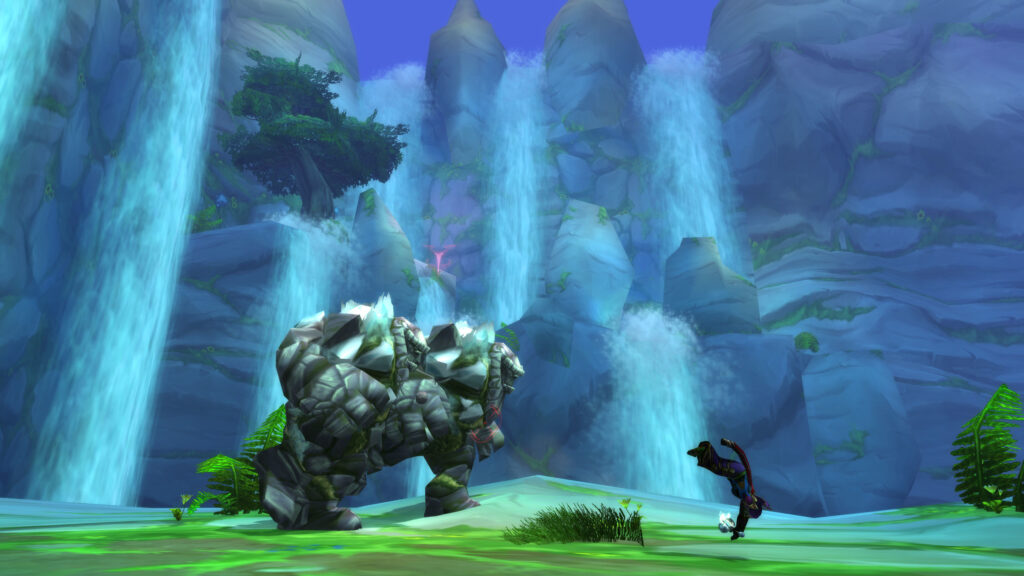
Beyond Static Combat Spaces
Traditional dungeons relied on enemies to create danger. Floors and walls were neutral backdrops.
Modern encounters turn the environment itself into an active threat.
Movement as a Survival Skill
Environmental hazards punish poor positioning instantly. Players must anticipate space restrictions while maintaining performance.
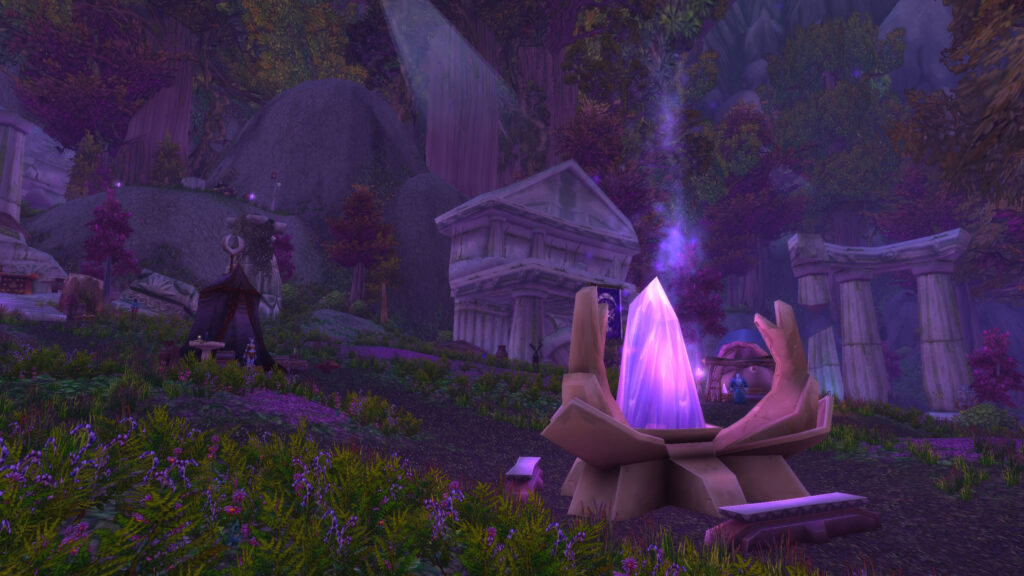
Movement becomes a constant consideration rather than a reaction.
Common Environmental Hazards in Modern Dungeons
Hazards vary in form but share a common goal.
- Rotating or expanding ground effects
- Line-of-sight blockers that alter positioning
- Knockbacks near lethal terrain
- Timed zones that restrict safe movement
Each forces players to think spatially.
Role-Specific Movement Pressure
Different roles experience hazards differently. Tanks manage space for the group, healers reposition while casting, and damage dealers maintain uptime under constraint.
Failure in one role compounds difficulty for all.
Why Hazards Increase Encounter Depth
Environmental pressure adds layers without inflating enemy stats. Difficulty scales through awareness and execution rather than raw numbers.
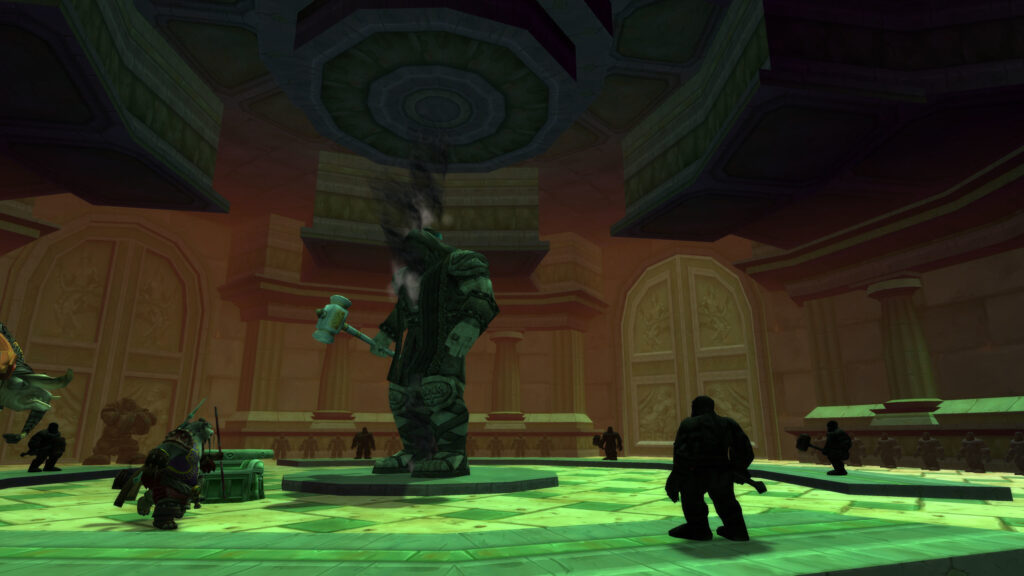
This keeps encounters engaging at all levels.
Conclusion
Dungeon environmental hazards add meaningful movement-based difficulty. By challenging positioning, awareness, and coordination, they transform dungeons into dynamic spaces where mastery depends on how well players move as much as how well they fight.
Leave a Reply